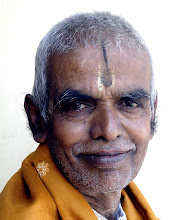
This is a column on the happennings in Karnataka, with particular reference to current affairs bringing to bear more than four decade old experience in covering the current affairs in Karnataka.

Thursday, April 26, 2012


Mathihalli Madan Mohan,   Senior Journalist and  Columnist  
 Tel No. 0836- 2374872; Mobile: 94480-74872
                                                       
                                                         
Mishandling of drought

HUBLI, Apr  27th, 2012
           
            Drought has been an integral part of the life of Karnataka, with more than 70% of the area depending on rain fed agriculture, and the vagaries of the nature being what it is.
            Over the years as the track record of the state shows, Karnataka has been living with one or the other kind of natural calamities, and suffer from either the excess  or the shortfall of the rains, which has been affecting the agricultural production one way or the other.
            However this should not make us to jump to the conclusion that tryst with drought has helped the state to evolve an effective drought management system with a view to mitigating the sufferings of the people afflicted.   Far from it. Its policy continues to be tentative and adhoc even after years of grappling with the situation.
            The reaction of the government is the same whether it is flood or the drought.  The only difference between the two is the former comes unexpected while the latter is not. It comes with due warning and it cannot be faulted if those who are in charge of it fail to take cognisance of the developing situation. And what is wrought by the nature in case of drought is compounded by the man made failures and mishandling at different levels.  
            The state government continues to bumble every time it faces either of the natural calamities and the run up goes on the expected lines.  The flurry of activities starts only when furore is raised. The government tries to get into the act, with the Chief Minister talking to the officials, “giving strict instructions” on tackling the phenomenon, the ministers are despatched to the districts in a show of misplaced earnestness to “study the situation”. There is the usual talk of leading an all party delegation to the Centre seeking more funds for tackling the situation. And the party in power at the Centre is invariably accused of being unsympathetic and step motherly in it attitude towards Karnataka. The opposition brays for the blood of the ruling party. And the blame game fills the columns of the media.
            In Karnataka, it has been a practice to utilise drought situation to get more money from the Centre. It with this in view that the district administrations prepare the report which is wetted at the state government to paint an exaggerated picture of the problems faced. Quite aware of the propensities of the state governments in such a situation the Centre has also learnt the art of scaling down the claims. (That the yardsticks used by the Centre and the state in assessing the situation lacks uniformity, is another reason for the divergence in the assessment made by the two).
             And nobody bothers when once the money is released and works undertaken. What works are executed and what kind of relief was given to the affected remains in the realm of speculation, since nobody bothers  once the aim of getting assistance from the Cente is achieved.
            Incidentally, the Centre coming to the rescue of the state to tackle the natural calamities in the states, has undergone a see change over the years. Earlier the Central assistance used to come in favour of advance plan assistance, with the amount given being adjusted in the plan assistance given next year. This was later changed and led to the formation of the Calamity Relief Fund, with the state governments getting fixed share of assistance every year. In addition the Centre set up a Natural Calamity Contingency Fund, with sizeable corpus to meet the states needs. For purposes of better handling of the funds, the districts receive assistance from both the sources under a suitably single head from this year by the state government.
            What is happening at the moment in Karnataka where the State Government has officially stated that 121 of the 174 taluks are drought affected runs on familiar lines. And the matter is complicated by the callous negligence   on the part of state government, in keeping tab on the developing situation   casual manner in which the opposition failed to discharge its primary objective of keeping vigil on the activities of the government and plight of the people in distress.
            The problems faced in the affected taluks are essentially two fold – of, the scarcity of drinking water and of migration of people from the select taluks in search of work. Had somebody in the government been able to keep a tag, the government would not have been caught napping as it has been so now.
            The situation has its essential origin in  performanance in the rabi season. The deficiency in the rainfall has resulted in the agricultural workers being deprived of their quota of work, as a consequence of which they were forced to migrate to other districts in search of work and scarcity of fodder for the animals.  The government has started talking about them, at   a time, when the migrated workers are scheduled to return to take up the agricultural operations. And the unseasonal rains which are normal around the holi celebration has aggravated the drinking water.
            With the political busy in fighting for the chair, a comatose government had hardly any time to spare for the mundane issues like the failure of the rain, the migration of the workers and the increasing crisis developing on the drinking water front especially in the rural areas and not but not least the acute shortage of fodder for the cattle.
            The state government was unable to keep a vigil. But should it also fail to take cognisance of others who had studied the situation? This is the worst that has happened and highlights the lack of proper governance. A couple of months ago, a Central team happened to visit Karnataka for study and based on the symptoms of the developing situation, had reportedly recommended for an assistance of around Rs. 600 crores. The state did not bother to follow up the matter. Even to this day, it has been dillydallying on the matter of submitting a memorandum seeking further assistance. When the state government does show any seriousness, how cans one otherwise expect Karnataka’s MPs to act, who have acquired a dubious distinction of inaction in parliament.
            Besides another moot point is that there are enough avenues to meet the situation on its own without waiting for the Central governments assistance too. The twin needs of the present situation namely providing water and employment, besides the shortage of fodder come within the ambit of the rural development where enough funds are available.  But the government has not been doing this also.
            One cannot help but recall similar situation faced by the Urs government in seventies. The seniors recall how a team of three ministers coming of the Revenue, Rural Development and Finance jointly toured the districts conducted meeting and sorted out the problem of utilisation of the available funds.  But nothing of such coordinated work is taking place now and uncoordinated tours by the ministers singly or severally is certainly not going to bring about any qualitative relief to the affected people.  But the time the snail paced approach reaches fruition, the next monsoons will start rendering the whole exercise infructuous.
            If the ruling party has faltered, the opposition parties have not covered with any glory either in highlighting the problems. The opposition has to be blamed for the lackadaisical approach of the go, creating public opinion and forcing the government to tackle the situation effectively and meaningfully.
            In the eighties, when a serious drought had occurred in the state under the rule of Janata Dal, one active opposition MLC, ( Mr  H K Patil, who was on his first term as MLC) toured the districts, took the pressmen with him for on spot study of the situation and pointed out the gaps between what government professed and practiced. The sum total of the effort was that the Central Government took notice of the same and amended the drought policy to include for the first time the concept of the cattle camps at a the time of severe shortage of cattle with a view to effectively prevent distress sale of cattle. Not even one single Congress/JDS legislator is bothered in finding what is happening in their respective constituencies. The party of course is supremely oblivious to the developing situation dreaming of the prospects of being returned to power rather than worry about the plight of the people.
            Even the media, which should have taken a proactive line in moulding the public opinion is supine in its approach and has confined itself to doing the routine stories in a routine manner. Some of the placed in the district and really concerned about the developing situation find themselves helpless in the absence of credible information and limitations of travelling the interiors. The officials would not part with information, the legislators do not know what is happening in their own constituency. “We wish we had a legislator like H K Patil   to create awareness” rued a senior journalist of Northern Karnataka, who had just begun his career when H K Patil went on with his bold programme way back in eighties.
            This is how the situation remains in Karnataka.-a government and opposition in comatose condition, and media which has no time for the human sufferings. One can imagine what relief the people in distress can expect under circumstances.
Eom  10.27 hrs.  27.04.2012


Monday, March 26, 2012

An exercise that could not be savoured


An exercise which could not be savoured

HUBLI, Mar  24th, 2012
           
            D V Sadananda Gowda , who became Chief Minister  more by accident than design, was naturally all set to enjoy the thrill and excitement  of presenting  his maiden budget, as has been the wont with all the first timers handling the job. The Chief Minister handling the finance portfolio or the Finance Minister  look forward to the occasion, which gives them the opportunity to show their skills of mobilisng resources,  managing the funding and tread on the path of development to  meet the aspirations of the people, whose expectations are naturally high.
            But the circumstances conspired in such a way that  Gowda  could hardly savour  the occasion  which ended up as a nerve racking exercise indeed. Caught in quagmire of political intrigues,  and chicanery, even as the sword  of Damocles hanging over his head perilously, Gouda, whose days as the Chief Minister appear definitely numbered, was able to present budget itself has to be taken as an achievement of sorts.
            .Firstly his own mentor, the former  Chief Minister Yeddyurappa, who had catapulted Gowda to the gaddi seven months ago, turned out to be his worst adversary.   Yeddyurappa, who has been pressurising the party high command for his rehabilitation as the Chief Minister,  was found  virtually breathing down on his neck of the Chief Minister , in a bid to make him vacate the seat in his favour and thereby prevent  Gouda from presenting the budget.  Both of them said to be not even talking terms in the end.
            Secondly, Yeddyurappa and his camp followers including the prominent cabinet colleagues of Gowda,  would never miss the opportunity  to send out hints that it was not Gowda but Yeddyurappa who would ultimately present the budget, which is the last one, before the party went to the people for the renewal of the mandate.  And the manner in which Yeddyurappa herded his supporters to a resort on the outskirts of Bangalore, cast a shadow of boycott of the budget session by the ruling party members, a prospect, most embarrassing for any Chief Minister.
            What however could not be understand was  the shrillness with which Yeddyurappa insisted that he should have the opportunity to present the budget this time. After all whether Yeddyurappa presents  or Gowda does so, the budget presented would be that of the BJP government in Karnataka, with bouquets and brickbats whatever may be coming to the party government as a whole and  there is nothing personal in it. If Yeddyurappa had any apprehension that being new to power, Gowda would not be able to properly understand the nuance of budget making and budget preparation on the eve of the election, nothing prevented a senior leader like Yeddyurappa to guide his protégé properly on meeting aspirations people in preparing budget of his choice with a view to achieving the political  objectives.
            The budget crossing the milestone of Rs, one lakh crore  mark is indeed an achievement but it is not clear what special credit would come to him which he did not want to go to the Chief Minister and insisted that  he alone should have the  privilege of presenting the historic nature of the budget.  For crossing the mark, which can, for record purposes can be considered as a milestone, is a natural phenomenon in the present state of development and there is nothing of a personal achievement of any sorts for anybody.
             Thirdly   some of the cabinet colleagues of Chief Minister, - all camp followers of Yeddyurappa were more in interested in serving the cause of rehabilitation of Yeddyurappa rather than worry about the development needs of the state and aspirations of the people. What however made the matters worse was that till the last minute Gouda was not sure whether   he would be able to present the budget at all, a coveted achievement in a way for any new Chief Minister in office testing his political waters.
            Fourthly riven by the internecine quarrels and deep schism within its ranks, the party organisation was hardly in a position to give any political input in the preparation of the budget to the fledgling Chief Minister.
            What came however as a manna from heaven for the beleaguered Chief Minister and help him present the budget amidst the adversity was the unstinted support extended by the party high command which firmly stood by his stand that there was no change of leadership at this juncture and it was Gouda who would present the budget. Sheepishly, Yeddyurappa his crowd trouped back to the assembly from which they had stayed away to avoid any embarrassment being caused either to the Chief Minister or the party at the national level.
            Under the circumstances, the Chief Minister obviously had hardly any time to devote to the preparation of the budget and in mapping out the plan of development and in husbanding the resources.    In a way the budget is nothing but a bureaucratic exercise of cobbling up of figures. Care has been taken to take cognisance of the political necessity of keeping every one happy   in view of the impending fresh polls to the assembly , which may come any time in less than a year.
            The mantra therefore has been to please everyday and hurt none. As a consequence the government servants, who have to be kept happy and contented for any party to return to power, have got a bonanza of increased emoluments.  Though services of the residuary component of the daily wage workers could not be regularised as promised, all of them were assured of a hike to the tune of Rs. 1000 per month. which would the exchequer to the tune of Rs. 4500 crores. . The farm sector was given a sop in the form of interest free short term crop loans to the tune of Rest in the agricultural budget presented for the second time in succession. The Brihat Bangalore Maha Nagara Palike has got special attention for meeting the citizens felt needs while other urban agglomerations in Karnataka, have notnot got the needed attention.
             The policy  of Yeddyurappa government in showering the largesse on the religious institutions has been continued, the only change being the marked tilt towards the OBCs.. Perhaps  whoever have advised Gouda to take this step apparently have no idea of the  political history of Karnataka, where the OBCs are yet to emerge as one single political identity. Devaraj Urs who was the pioneer and the first man to shape the OBC segment into a political instrument  miserably failed, when the OBCs failed to rally round him when the testing time came  in the battle of ballots.
            And the casualty in the process has been the development in general and  of the infrastructure in particular. The increased allocations made  for several sectors have to be taken with a pinch of salt, since the BJP government in Karnataka has hardly shown any propensity in meeting the planned targets. And the year 2011-12 has been the worst in view of the internal turmoil within the BJP. The policy of government in ensuring the full utilisation of  water allocated in Krishna basin, the biggest of the two riverine systems of Karnataka, leaves much to be desired in the absence of anytime bound policy. Though the Second Krishna River Water Dispute Tribunal has  fixed the quota of water for utilisation, the state government is yet to come out with a time bound programme not only for the water left unutilised so far but of the extra allocation made  available by the Tribunal. There is hardly anything to revive the food  production, which has hit a stagnant pitch.

Wednesday, March 21, 2012

Implications of Udupi poll result


 ªÀÄwÛúÀ½î ªÀÄzÀ£À ªÉÆÃºÀ£À,    ¸ÀA¥ÁzÀQÃ0iÀÄ  ¸À®ºÉUÁgÀgÀÄ, ªÀÄvÀÄÛ CAPÀtPÁgÀgÀÄ
 zÀÆ ªÁ: 2374872 ªÉÆ: 94480-74872
                                                       
                                                         
PÉAqÀ¸ÀA¦UÉ UÁV (13)
GqÀĦAiÀÄ ¥ÀjuÁªÀÄ K£ÀÄ ¸ÀÆa¸ÀÄvÀÛzÉ?

        22—3-2012
`EzÀÄ MAzÀÄ ¸ÁÜ£ÀzÀ°è DzÀ ¸ÉÆÃ®®è. £Á®ÄÌ ªÀµÀðUÀ¼À »AzÉ  ªÉÆzÀ® ¨Áj C¢üPÁgÀPÉÌ §AzÀÄ E£ÀÄß MAzÀÄ ªÀµÀðzÀ CªÀ¢üAiÉÆ¼ÀUÉ E£ÉÆßªÉÄä «zsÁ£À ¸À¨sÉ ZÀÄ£ÁªÀuÉ JzÀÄj¸À ¨ÉÃPÁVgÀĪÀ ¨sÁd¥ÀPÉÌ ªÀÄvÀzÁgÀgÀÄ PÉÆlÖ JZÀÑjPÉAiÀÄ £ÀªÀÄÆ£ÉAiÀÄ UÀAmÉ.
            GqÀĦ aPÀ̪ÀÄUÀ¼ÀÆgÀ ¯ÉÆÃPÀ¸À¨sÁ PÉëÃvÀæzÀ°è £ÀqÉzÀ G¥ÀZÀÄ£ÁªÀuÉAiÀÄ°è ¨sÁd¥À C£ÀĨsÀ«¹zÀ ¥ÀgÁdAiÀĪÀ£ÀÄß §tÂÚ¸À§ºÀÄzÀÄ. ªÀÄvÀUÀ¼À ºÀAaPÉAiÀÄ ¥ÀæQæAiÉÄAiÀÄ£ÀÄß ¸ÀÆPÀëöäªÁV UÀªÀĤ¹zÀ AiÀiÁjUÀÆ  ªÉÄÃ¯ÉÆßÃlPÉÌ ªÀåPÀÛªÁUÀĪÀ ¸ÀAUÀw.
       1999gÀ ZÀÄ£ÁªÀuɬÄAzÀ FZÉUÉ £ÀqÉzÀ ZÀÄ£ÁªÀuÉUÀ¼À°è ªÀåPÀÛªÁVgÀĪÀ MAzÀÄ ¥ÀæªÀÄÄR CA±ÀªÀ£ÀÄß E°è UÀªÀĤ¸À¯ÉèÉÃPÀÄ. CzÉAzÀgÉ ZÀÄ£ÁªÀuɬÄAzÀ ZÀÄ£ÁªÀuÉUÉ  ¨sÁd¥ÀzÀ ªÀÄvÀªÀzsÀð£ÀªÁUÀ®Ä ªÀÄÄRå PÁgÀt - ¥Àæw ZÀÄ£ÁªÀuÉAiÀÄ°è ºÉÆ¸ÀzÁV £ÉÆÃAzÁ¬Ä¸À®àlÖ ¸ÀĪÀiÁgÀÄ 35 ®PÀë ªÀÄvÀzÁgÀgÀÄ MPÉÆÌgÀ°¤AzÀ ¨sÁd¥ÀPÉÌ ¨ÉA§® ¸ÀÆa¹zÀÄzÀÄ. EzÀjAzÁV 1999, 2004 ªÀÄvÀÄÛ 2008gÀ «zsÁ£À¸À¨sÁ ZÀÄ£ÁªÀuÉUÀ¼À°è£À ªÀÄvÀ ºÀAaPÉ «ÃQë¹zÀgÉ,  J®è ºÉZÀÄѪÀj ªÀÄvÀUÀ¼ÀÄ ¨sÁd¥ÀzÀ ¥Á¯ÁVzÉAiÉÄà ºÉÆgÀvÀÄ PÁAUÉæ¹UÁUÀ°Ã, eÁ zÀ¼ÀPÁÌUÀ°Ã, MAzÉà MAzÀÄ ºÉZÀÄѪÀj ªÀÄvÀUÀ¼ÀÄ ¥ÀqÉAiÀįÁUÀ°®è.  E¢gÀAzÁVAiÉÄÃ, ¨sÁd¥ÀªÀÅ 2008gÀ ZÀÄ£ÁªÀuÉ ªÀÄvÀÄÛ £ÀAvÀgÀ £ÀqÉzÉ ºÀ®ªÁgÀÄ G¥ÀZÀÄ£ÁªÀuÉUÀ¼À°è, CvÀåAvÀ ºÉaÑ£À ªÀÄvÀ ¥ÀqÉzÀ ¥ÀPÀëªÉAzÀÄ ºÉÆgÀºÉÆ«Ää, E°èAiÀÄ vÀ£ÀPÀ C ¸ÁÜ£ÀªÀ£ÀÄß DPÀæ«Ä¹PÉÆArzÀÝ  PÁAUÉæ¸Àì£ÀÄß JgÀqÀ£ÉAiÀÄ ¸ÁÜ£ÀPÉÌ vÀ½îzÉ.
        DzÀgÉ GqÀĦ aPÀ̪ÀÄUÀ¼ÀÆgÀÄ PÉëÃvÀæzÀ°è ªÀÄvÀzÁ£ÀzÀ°è F ¨Áj ºÁUÉ CV®è. ªÉÆzÀ®¨Áj, ¨sÁd¥ÀPÉÌ ºÉZÀÄéªÀj ªÀÄvÀUÀ¼ÀÄ ©Ã¼À°®è. 2009gÀ ¯ÉÆÃPÀ¸À¨sÉAiÀÄ ZÀÄ£ÁªÀuÉ£ÀqÉzÀ ªÀÄÆgÀÄ ªÀµÀðzÀ £ÀqÉzÀ G¥ÀZÀÄ£ÁªÀuÉAiÀİè 28,000 d£À ºÉƸÀzÁV ªÀÄvÀzÁgÀgÀ ¥ÀnÖAiÀÄ°è ¸ÉÃjzÁÝgÉ.  MAzÀÆ ºZÀÄѪÀj ªÀÄvÀUÀ¼À£ÀÄß ¥ÀqÉAiÀÄ®Ä «¥sÀ®ªÁzÀ ¨sÁd¥ÀªÀÅ   2009gÀ®°è  ¥qÉzÀ £Á®ÄÌ ®PÀëQÌAvÀ ¸Àé®à ºÉZÁÝzÀ ªÀÄvÀUÀ¼À£ÀÄß vÀ£Àß PÀqÉ Ej¹ PÉÆ¼Àî¯ÁUÀ°®è. CzÀgÀ°è 48,000 ªÀÄvÀUÀ¼À SÉÆÃvÁªÀ£ÀÄß C£ÀĨsÀ«¹zÉ. EzÀjAzÀ UÉÆÃZÀgªÁUÀĪÀ «µÀAiÀĪÉAzÀgÉ, 2008 «zsÁ£À ¸À¨sÉ ªÀÄvÀÄÛ  2009 ¯ÉÆÃPÀ¸À¨sÁ ZÀÄ£ÁªÀuÉAiÀÄ°è ¨sÁd¥zÀ ¥Àg ªÀÄvÀ ZÀ¯Á¬Ä¹zÀ ªÀÄvÀzÁgÀg°è ±ÉÃPÀqÁ ºÀvÀÛQÌAvÀ ºÉaÑ£À ªÀÄvÀzÁgÀgÀÄ ¨sÁd¥ÀªÀ£ÀÄß vÀåf¹zÁÝgÉ. 2008 ªÀÄvÀÄÛ 2009 gÀ £ÀqÀÄªÉ ¸ÀĪÀiÁgÀÄ 10,000 ªÀÄvÀzÁgÀgÀÄ ¥ÀPÀëªÀ£ÀÄß PÉÊ©nÖzÀÝgÉ  2012 gÀ°è ºÉZÀÄѪÀj 48,000 ªÀÄvÀzÁgÀgÀÄ ¨sÁd¥À¢AzÀ «ªÀÄÄRgÁVzÁÝgÉ. F PÉëÃvÀæzÀ°è ¨sÁd¥ÀzÀ ªÀÄvÀ§® FUÀ  3.52 ®PÀëPÉÌ E½¢zÉ.
        EzÀgÀ°è JgÀqÀÄ ªÀĺÀvÀézÀ ¸ÀAUÀwUÀ¼ÀÄ CqÀVªÉ. ªÉÆzÀ®£ÉAiÀÄzÁV, MªÉÄä MAzÀÄ ¥ÀPÀëPÉÌ  M°zÀÀ d£ÀgÀÄ CzÉà ¥ÀPÀëPÉÌ ¤µÀ×gÁVgÀÄvÁÛgÉ.  CAvÀºÀgÀ°è ±Éà 10gÀµÀÄÖ  ªÀÄvÀzÁgÀjUÉ ªÀÄ£À: ¥ÀjªÀvÀð£ÉAiÀiÁVzÉ JAzÀgÉ, CªÀgÀÄ ªÀÄgÀ½ ¨sÁd¥ÀPÉÌ ªÀÄÄA¢£À ZÀÄ£ÁªÀuÉAiÀÄ ºÉÆwÛUÉ wgÀÄV  §gÀÄvÁÛgÉ  J£ÀÄߪÀ ¸ÁzsÀåvÉUÀ¼ÀÄ §ºÀ¼À PÀrªÉÄ.  JgÀqÀ£ÉAiÀÄzÁV, ¨sÁd¥ÀzÀ ¨sÀzÀæ PÉÆÃmÉAiÀÄAzÉà ºÉ¸ÀgÀÄ ¥ÀqÉzÀ F ¯ÉÆÃPÀ¸À¨sÁ PÉëÃvÀæzÀ°è »ÃUÉ DzÀgÉ G½zÀ PÉëÃvÀæUÀ¼À°è  ªÀÄÄA¢£À ¢£ÀUÀ¼À°è CUÀzÉà EgÀÄvÀÛzÉAiÉÄÃ?
        »ÃUÁUÀĪÀzÀPÉÌ PÁgÀtªÀ£ÀÄß ºÀÄqÀÄPÀ®Ä PÀµÀÖ ¥ÀqÀ¨ÉÃPÁV®è. EwÛa£À ¢£ÀUÀ¼À°è ¨sÁd¥ÀzÀ zsÀÄjÃtgÀÄ £ÀqɹgÀĪÀ gÁdQÃAiÀÄ PÀZÁÑl, zÉÆA§gÁl C¢üüPÁgÀªÀ£ÀÄ ºÉÃUÁzÀgÀÆ ªÀiÁr VnÖ¸ÀĪÀ CªÀgÀ ºÀ¥Á¦vÀ£À, ªÀÄvÀÄÛ C¢üPÁg ªÀÄvÀÄÛ ºÀtzÀ ¸ÀÄvÀÛ®Æ VgÀQ ºÉÆqÉAiÀÄÄvÀÛ, ¥ÀæeÁ¥Àæw¤¢üUÀ¼ÁV vÀªÀÄä ªÀÄÆ® ¨sÀÆvÀ PÀvÀðªÀåUÀ¼À PÀqÉUÉ  «ªÀÄÄRgÁVgÀĪÀ ±Á¸ÀPÀggÀ §UÉUÉ ªÀÄvÀzÁgÀgÀ°è DVgÀĪÀ ¨sÀæªÀĤgÀ¸À£ÀzÀ  ¥ÀæwÃPÀ.  vÀªÀÄUÉÆAzÀÄ CªÀPÁ±À PÉÆlÄÖ £ÉÆÃr JA§ ¨sÁd¥ÀzÀ £ÁAiÀÄPÀgÀ ªÀiÁw£À°è  £ÀA©PÉ EvÀÄÛ,  ¨sÁd¥ÀªÀ£ÀÄß C¢üPÁgÀzÀ UÀzÀÄÝUÉAiÀÄ ªÉÄÃ¯É PÀÆr¹zÀ ªÀÄvÀzÁgÀgÀ°è  ªÀÄ£À¹ì£À°è ªÀÄgÀÄ«ZÁgÀ ±ÀÄgÀĪÁVgÀĪÀzÀgÀ zÉÆåÃvÀPÀ. EzÀjAzÀ ¸ÀjAiÀiÁzÀ ¥ÁoÀ PÀ°vÀÄ vÀªÀÄä°è §zÀ¯ÁªÀuÉAiÀÄ£ÀÄß ªÀiÁrPÉÆ¼Àî¢zÀÝgÉ, CªÀgÀ ¨sÀ«µÀåªÀ£ÀÄß UÉÆqÉAiÀÄ ªÉÄÃ¯É FUÀ¯Éà §gÉzÀAwzÉ.
        AiÀÄqÉAiÀÄÆgÀ¥Àà£ÀªÀgÀÄ ¥ÀPÀëPÉÌ C¤ªÁAiÀÄðªÉAzÀÄ ©A©¹ CzÀgÀ ªÀÄÆ®PÀ ªÀÄÄRåªÀÄAwæ ¸ÁÜ£À CªÀjUÉ wgÀÄV PÉÆr¸À¨ÉÃPÉAzÀÄ gÁ¶ÖçÃAiÀÄ £ÁAiÀÄPÀgÀ ªÉÄÃ¯É MvÀÛqÀ ºÉÃgÀÄwÛgÀĪÀ AiÀÄqÉAiÀÄÆgÀ¥Àà ªÀÄvÀÄÛ CªÀgÀ UÀÄA¦£À ¥ÀæZÁgÀPÀÆÌ GqÀĦ ªÀÄvÀzÁgÀgÀÄ GvÀÛgÀ PÉÆnÖzÁÝgÉ.
            GqÀĦ aPÀ̪ÀÄUÀ¼ÀÆgÀÄ G¥ÀZÀÄ£ÁªÀuÉAiÀÄ  ¥ÀæZÁgÀzÀ°è ªÀiÁf ªÀÄÄRåªÀÄAwÛ, ²æÃ AiÀÄqÉAiÀÄÆgÀ¥Àà£ÀªÀgÀÄ ¨sÁUÀªÀ»¸À°®è. CªÀgÀÄ ¨sÁUÀªÀ»¸À¨ÉÃPÉAzÀÄ UÉÆÃUÀgÉzÀgÀÆ, CªÀgÀÄ CzÀPÉÌ Q«UÉÆqÀzÉà UÀÄr UÀÄAqÁgÀ ¸ÀÄvÀÄÛªÀ ¸ÀAZÁgÀzÀ°è ªÀÄUÀægÁzÀgÀÄ. vÀªÀÄä£ÀÄß ªÀÄÄRåªÀÄAwÛAiÀiÁV ¥ÀÄ£À: ¥ÀæwµÁ×¥À£É ªÀiÁqÀ¨ÉÃPÉA§ vÀªÀÄä ¨ÉÃrPÉAiÀÄ£ÀÄß ¥ÀPÀÌzÀ ªÀjµÀ×        ªÀÄAqÀ½ ªÀĤ߸À¢gÀĪÀzÀPÉÌ PÉÆÃ¥ÀUÉÆÃAqÀÄ ZÀÄ£ÁªÀuÁ ¥ÀæZÁgÀ PÀt¢AzÀ CªÀgÀÄ GzÉÝñÀ ¥ÀƪÀðPÀªÁV ºÉÆgÀUÀĽzÀgÀÄ J£ÀÄߪÀzÀ ¸ÀàµÀÖªÁVvÀÄÛ.  vÁªÀÅ ¨sÁUÀªÀ»¸À¢gÀĪÀ ZÀÄ£ÁªÀuÉAiÀÄ°è ¥ÀPÀëPÉÌ ¸ÉÆÃ®Ä DVgÀĪÀzÀÄ ¥ÀPÀëzÀ ªÀjµÀ×jUÉ vÀªÀÄä ªÀĺÀvÀݪÀ£ÀÄß w½¹PÉÆqÀ®Ä ¸ÀºÁAiÀÄPÀ ªÁzÀgÀÆ, E£ÉÆßAzÀÄ zÀȶ֬ÄAzÀ CªÀgÀ°ègÀĪÀ zÀħð®vÉAiÀÄ£ÀÄß F ZÀÄ£ÁªÀuÉ ºÉÆgÀºÁQzÉ.
       ªÀÄvÀUÀ½PÉAiÀİè SÉÆÃvÁªÁVgÀĪÀzÀÄ vÁªÀÅ ºÉÆgÀUÀĽzÀÄzÀPÉÌ JAzÀÄ CªÀgÀÄ ºÉüÀĪÀzÁzÀgÉ, CzÀjAzÀ ¥PÀëPÉÌ §gÀ¢gÀĪÀ ªÀÄvÀUÀ¼ÀÄ PÉêÀ® 48,000 ªÀÄvÀUÀ¼ÀÄ. PÀ¼ÉzÀ ZÀÄ£ÁªÀuÉAiÀÄ°è §AzÀ £Á®ÄÌ ®PÀëQÌAvÀ ºÉZÀÄѪÀj ªÀÄvÀUÀ½UÉ ºÉÆÃ°¹zÀgÉ EzÀÄ PÉêÀ® 10.8% . CªÀj®èzÉà ¥ÀPÀëPÉÌ 90% ªÀÄvÀUÀ¼ÀÄ §A¢ªÉ JA§ÄzÀÄ UÀªÀÄ£ÁºÀð. F »£É߯ÉAiÀÄ°è  DzÀÄzÀjAzÀ vÁªÀÅ ¥ÀPÀëPÉÌ C¤ªÁAiÀÄð JAzÀÄ CªÀgÀÄ ªÀÄvÀÄÛ CªÀgÀ ¨ÉA§°UÀgÀÄ  AiÀiÁªÀ zsÉÊAiÀÄð¢AzÀ ºÉüÀÄvÁÛgÉ. ±ÉÃPÀqÁ 90 ªÀÄvÀUÀ¼ÀÄ CªÀj®èzÉà §gÀĪÀzÁzÀgÉ, CªÀgÀÄ ¥ÀPÀPÉÌ C¤ªÁAiÀÄðgÀÄ ºÉÃUÉ DUÀÄvÁÛgÉ.?
         ªÀÄvÀ ºAaPÉAiÀİè PÁt§gÀĪÀ E£ÉÆßAzÀÄ PÀÄvÀƺÀ® PÁj CA±ÀªÉAzÀgÉ. ¨sÁd¥ÀPÉÌ DzÀ ªÀÄvÀUÀ¼À ºÁ¤ (48,400) J®èªÀÇ  PÁAUɸÀ ¥Á°UÉ ®¨sÀåªÁUÀ°®è.   2009gÀzÀ  UÀ½PÉ (374423) VAvÀ ©zÀÝ ºÉZÀÄѪÀj
Cj ªÀÄvÀUÀ¼ÀÄ 28000 ªÀiÁvÀæ. G½zÀ ªÀÄvÀUÀ¼ÀÄ eÁzÀ¼ÀzÀ ¥Á¯ÁVzÉ JAzÉà ºÉüÀ¨ÉÃPÀÄ. PÁAUÉæ¸À F G¥ÀZÀÄ£ÁªÀuÉAiÀİè dAiÀÄ UÀ½¹gÀĪÀzÀÄ CªÀgÀ ¥ÀPÀÌPÉÌ C¤jÃQëvÀ.
            F G¥ÀZÀÄ£ÁªÀuÉAiÀİè eÁzÀ¼ÀPÉÌ UÉ®ªÀÅ C¸ÁzsÀåªÉAzÀÄ J®èjUÀÆ UÉÆwægÀĪÀ «µÀAiÀÄ. eÁ zÀ¼ÀPÀÆÌ F vÀ¼ÀªÀÄlÖzÀ ¸ÀvÀåzÀ ¥ÀjZÀAiÀÄ«®èzÉà E®è. PÀ¼ÉzÀ ¨Áj PÀtzÀ°è EgÀzÀ ¥ÀPÀë F ¨Áj PÀtPÉÌ E½zÀzÀÄÝ KPÉ J£ÀÄߪÀzÉà ¤UÀÆqsÀªÁVzÉ. CªÀgÀÄ PÀtzÀ°è E½zÀzÀÄÝ AiÀiÁjUÉ C£ÀÄPÀÆ®/C£Á£ÀÄPÀÆ® ªÀiÁrPÉÆqÀĪÀzÀPÁÌV J£ÀÄߪÀzÀÄ ZÀZÉðAiÀÄ «µÀAiÀĪÁVAiÉÄà G½AiÀÄÄwÛzÉ. F ¯ÉÆÃPÀ¸À¨sÉAiÀÄ G¥À[ZÀÄ£ÁªÀuÉAiÀİè PÀ¼ÉzÀ¨Áj JqÀ¥ÀPÀëzÀ C¨sÀåyð UÀ½¹zÀ ¸ÀĪÀiÁgÀÄ 25,000 ªÀÄvÀUÀ¼ÀÄ (EªÀÅUÀ¼À£ÀÄß eÁvÁåwÃvÀ ªÀÄvÀUÀ¼ÀÄ JAzÀÆ PÀgÉAiÀÄÄvÁÛgÉ) PÁAUÉæ¹UÉ ºÉÆÃUÀzÀ ºÁUÉ ªÀiÁrzÀ PÀÄvÀæAvÀæ JAzÀÄ PÁAUÉæ¸À £ÁAiÀÄPÀgÀÄ D¥Á¢¹zÁÝgÉ..  DzÀgÉ PÁAUÉæ¹UÉ §AzÀzÀÄÝ 24,000 ºÉZÀÄѪÀj ªÀÄvÀUÀ¼ÀÄ. EzÀ®èzÉà ºÉƸÀzÁV ªÀÄvÀzÁgÀ ºÀPÀÌ£ÀÄß ¥ÀqÉzÀªÀgÀ ¸ÀASÉå 28,000.  AiÀiÁªÀ ªÀÄÆ®¢AzÀ PÁAUÉæ¹UÉ ºÉZÀÄѪÀj ªÀÄvÀUÀ¼ÀÄ §A¢zÉ JAzÀÄ ºÉüÀĪÀzÀÄ PÀµÀÖ.
        DzÀgÉ MAzÀÄ ªÀiÁvÀæ ¤d. ºÉZÀÄѪÀj ªÀÄvÀUÀ½PÉAiÀÄ°è ºÉaÑ£À ¯Á¨sÀ ¥ÀqÉzÀzÀÄÝ  eÁ zÀ¼À ªÀiÁvÀæ. PÀ¼ÉzÀ ¨Áj PÀtzÀ°ègÀzÀ F ¥ÀPÀëzÀ ¥ÀgÀ 72,000 d£À ªÀÄvÀZÀ¯Á¬Ä¸ÀzÁÝgÉ.EzÀjAzÀ AiÀiÁjUÉ £ÀµÀÖªÁVzÉ J£ÀÄߪÀzÀÄ HºÉUÉ ©lÖ «µÀAiÀÄ.


GqÀĦ aPÀ̪ÀÄUÀ¼ÀÆgÀÄ ¯ÉÆÃPÀ¸À¨sÁ PÉëÃvÀæzÀ°è£À G¥ÀZÀÄ£ÁªÀuÉ 2012


2008A
2009P
ªÀåvÁå¸À
2012
ªÀåvÁå¸À


C
§
§-C
PÀ
PÀ-§
MlÄÖªÀÄvÀzÁgÀgÀÄ

1207959
1224335

1252390


16376

28055
ªÀÄvÀzÁ£À

889996
834728

852954


-55268

18226
PÁAUÉæ¸ÀÄ

334824
374423

398723


39599

24300
¨sÁd¥À

410675
401441

352999


-9234

-48442


eÁ zÀ¼À


0

72086


72086
EvÀgÀgÀÄ


57718

28146


-29572
         2008a =  2008gÀ «zsÁ£À¸À¨sÁ ZÀÄ£ÁªÀuÉ
           2009 P – 2009gÀ ¯ÉÆÃPÀ¸À¨sÁ ZÀÄ£ÁªÀuÉ
         (ZÀÄ£ÁªÀuÁ DAiÉÆÃUzÀ CAQ ¸ÀASÉåUÀ¼À DzsÁgÀ¢AzÀ)
-0-


Sunday, January 22, 2012

Time for Introspection for Congress


ªÀÄwÛúÀ½î ªÀÄzÀ£À ªÉÆÃºÀ£À
CAPÀtPÁgÀgÀÄ ªÀÄvÀÄÛ »jAiÀÄ ¥ÀvÀæPÀvÀðgÀÄ
¥ÀvÀæPÀvÀðgÀ PÁ®¤, ºÀħâ½î 32,
(ªÉÆÃ. 94480-74872/ zÀÆ ªÁ; 0836-2374872)


 DvÁäÀªÀÀ¯ÉÆÃPÀzÀ PÁ® PÁAUÉæ¹UÉ §A¢zÉ.À

       gÁdåzÀ°è PÁAUÉæ¸À ¸ÀéAvÀ §®zÀ°è C¢üPÁgÀPÉÌ §gÀ§ºÀÄzÉà JAzÀÄ PÁAUɸÀ ±Á¸ÀPgÁzÀ ²æÃ PÁf CµÀðzÀ C° (UÀÄgÀĪÁgÀ 19 d£ÀªÀj, ¥ÀæeÁªÁtÂÂ)  CAvÀªÀÄÄðTAiÀiÁVgÀĪÀzÀÄ ¸ÁéUÀvÀªÉÃ. DzÀgÉ ZÀÄ£ÁªÀuÁ CAPÉ ¸ÀASÉåUÀ¼À «±ÉèõÀuÉ ªÀiÁqÀĪÀ°è UÉÆAzÀ®PÉÌ FqÁVgÀĪÀzÀÄ vÉÆÃgÀÄvÀÛzÉ.
       CªÀgÀ UÉÆAzÀ®PÉÌ è ªÀÄÆ® PÁgÀtªÉAzÀgÉ  ¥ÀPÀëUÀ¼ÀÄ UÉzÀÝ ¸ÁÜ£ÀUÀ¼ÀÄ ªÀÄvÀÄÛ UÀ½¹zÀ ªÀÄvÀUÀ¼À°è ±ÉÃPÀqÁ ªÁgÀÄ ªÀÄvÀUÀ¼À vÀÄ®£É ªÀiÁqÀ®Ä ºÉÆgÀngÀĪÀzÀÄ. EªÀÅUÀ¼ÉAzÀÆ ªÀÄvÀzÁgÀgÀ aAvÀ£ÉAiÀÄ£ÀÄß ¸ÀàµÀÖªÁV ¥Àæw©A©¸ÀĪÀ°è «¥sÀ®ªÁVªÉ.
       FVgÀĪÀ ¥Á°ðªÉÄAlj ªÀåªÀ¸ÉÜAiÀÄ°è ¥ÀPÀëUÀ¼ÀÄ ZÀÄ£ÁªÀuÉAiÀİè UÀ½¸ÀĪÀ ªÀÄvUÀ½UÀÆ UÉzÉAiÀÄĪÀ ¸ÁÜ£ÀUÀ½UÀÆ AiÀiÁªÀ ¸ÀA§AzsÀªÀÇ EgÀĪÀ¢®è. PÁAUÉæ¸À ¥ÀPÀëªÀÅ gÁeÉåzÀ°è  Cw ºÉZÀÄÝ ªÀÄvÀU½¹zÀgÀÆ CzÀÄ ºÉaÑ£À ¸ÁÜ£ÀUÀ¼À£ÀÄß UÉzÉAiÀįÁUÀzÀÄzÀ£ÀÄß PÁAUÉæ¹UÉ ¸ÉÆÃ¯ÁzÀ ZÀÄ£ÁªÀuÉUÀ¼À°è PÁtÄvÉÛêÉ, JgÀqÀ£ÉAiÀÄzÁV ±ÉÃPÀqÁªÀgÀÄ ªÀÄvÀ ZÀÄ®£É £ÉÆÃqÀĪÀzÀPÉÌ ZÉ£ÁßV PÁt¹zÀgÀÆ, vÀ¼À ªÀÄlÖzÀ ªÀÄvÀzÁgÀgÀ aAvÀ£ÉAiÀÄ avÀætªÀ£ÀÄ PÉÆqÀĪÀ¢®è.  ¥Àæwà ZÀÄ£ÁªÀuÉAiÀÄ°è ªÀÄvÀzÁgÀgÀ ¸ÀASÉå, ZÀ¯Á¬Ä¹zÀ ªÀÄvÀzÁ£ÀUÀ¼ÀÄ ºÉZÀÄÑ PÀrªÉÄ DUÀĪÀzÀjAzÀ ±ÉÃPÀqÁªÁgÀ ªÀÄvÀzÁ£ÀzÀ CzsÀåAiÀÄ£ªÀÅ ¥ÀÆwðAiÀiÁV £ÀA§®ºÀðªÀ®è. CzÀÄ  £ÀªÀÄä£ÀÄß zÁj vÀ¦à¸ÀÄvÀÛzÉ.
       EzÀgÀ §zÀ¯ÁV  ¥ÀPÀëUÀ¼ÀÄ UÀ½¹zÀ ªÀÄvÀUÀ¼À£ÀÄß UÀt£ÉUÉ vÉUÉzÀÄPÉÆAqÀgÉ MAzÀÄ avÀæt §gÀ®Ä ¸ÁzsÀå. KPÉAzÀgÉ ¥ÀPÀëUÀ¼À §¯Á§® ªÀÄvÀzÁgÀgÀ zÀȶÖAiÀİè UÉÆvÁÛUÀĪÀzÀÄ  CªÀgÀ ªÀÄvÀUÀ½PÉAiÀİèAiÉÄà ºÉÆgÀvÀÄ CªÀgÀÄ UÀ½¹gÀĪÀ ¸ÁÜ£ÀUÀ¼À°è C®è
       EzÀgÀ  vÀÄ®£É ªÀiÁrzÀÝgÉ ÁAUÉæ¸À »AzÉ ªÀÄvÀUÀ½PÉAiÀÄ°è »AzÉ ©Ã¼ÀĪÀzÀPÉÌ PÁgÀtUÀ¼ÉãÀÄ JAzÀÄ UÉÆvÁÛUÀzÉà EgÀzÀÄ. EwÛa£À £Á®ÄÌ ZÀÄ£ÁªÀuÉUÀ¼À  C¢üPÀÈvÀ ªÀiÁ»wAiÀÄ CAPÉ ¸ÀASÉåUÀ¼À£ÀÄß DzsÁgÀzÀ ªÉÄÃ¯É vAiÀiÁj¹zÀ PÉÆÃµÀÖPÀ F jÃw  avÀæt PÉÆqÀÄvÀÛzÉ..

PÀ£ÁðlPÀzÀ «zÁ£À ¸À¨sÁ ZÀÄ£ÁªÀuÉUÀ¼ÀÄ


(ªÀÄvÀUÀ¼À ¸ÀASÉå ®PÀëUÀ¼À°è))


ZÀÄ£ÀªÁuÁ ªÀµÀðÀ

MlÄÖ ªÀÄvzÁgÀgÀÄ e

ZÀ¯ÁªÀuÉAiÀiÁzÀ ªÀÄvÀUÀ¼ÀÄ
PÁAUÉæ¸À
¨sÁd¥À
eÁ zÀ¼À
¸ÀA eÁzÀ¼À


2008

401.71

261.56
88.57
90.48
50


2004

385.86

251.29
88.61
71.18
52.26
5.17


1999

342.84

222.25
90.77
45.98
23.16
30.06


1994

308.35

207.05
55.8
35.17
69.44
*


(C«¨sÀPÉ d£ÀvÁz¼À)


       EzÀgÀ ¥ÀæPÁgÀ  1994gÀ°è C£ÀĨsÀ«¹zÀ »£ÀßqÉAiÀÄ£ÀÄß »AzÉ ºÁQ £ÁUÁ¯ÉÆÃl¢AzÀ ªÀÄÄAzÉ §AzÀÄ 1999gÀ°è C¢üPÁgÀ ¥ÀqÉzÀ PÁAUÉæ¸ÀÄ, ªÀÄÄA¢£À JgÀqÀÄ ZÀÄ£ÁªÀuÉAiÀÄ°è ªÀÄvÀzÁgÀgÀ ¨ÉA§®ªÀ£ÀÄß G½¹PÉÆ¼Àî®Ä «¥sÀ®ªÁVzÉAiÉÄ®èzÉÃ, MAzÀÄ ºÉaÝUÉ ªÀÄvÀªÀ£ÀÄß ¥ÀqÉAiÀįÁUÀzÀAvÀºÀ zÀAiÀĤÃAiÀÄ ¥Àj¹ÜwUÉ §AzÀÄ vÀ®Ä¦zÉ.
       1999 ªÀÄvÀÄÛ 2008gÀ ZÀÄ£ÁªÀuÉUÀ¼À £ÀqÀÄªÉ 59 ®PÀë ªÀÄvÀzÁgÀgÀ ºÉZÀѼÀªÁVzÉ. ZÀ¯ÁªÀuÉAiÀiÁzÀ ªÀÄvÀUÀ¼À°è 39 ®PÀëUÀ¼ÀµÀÄÖ eÁ¹ÛAiÀiÁVzÉ.  DzÀgÉ PÁAUÉæ¸À F CªÀ¢üAiÀİè JgÀqÀÄ ®PÀë ªÀÄvÀUÀ¼À SÉÆÃvÁªÀ£À£ÀÄ C£ÀĨsÀ«¹zÉAiÉÄà ºÉÆgÀvÀÄ MAzÀÄ ºÉaÑ£À ªÀÄvÀªÀ£ÀÄß ºÀvÀÄÛ ªÀµÀðUÀ¼À CªÀ¢üAiÀİè UÀ½¸À°PÉÌ DV®è. EzÀÄ KPÉ »ÃUÁVzÉ JAzÀÄ PÁAUÉæ¸À ¥ÀPÀëzÀ £ÁAiÀÄPÀgÀÄ vÀªÀÄä DvÀä «±ÉèõÀuÉAiÀÄ£ÀÄß ªÀiÁqÀ¨ÉÃPÀÄ. CªÀgÀÄ F CªÀ¢üAiÀÄ°è ªÀiÁrzÀ AiÀiÁªÀ nÃPÉUÀ½UÀÆ ªÀÄvÀzÁgÀgÀÄ ¸ÉÆ¥ÀÄà ºÁPÀ¢gÀĪzÀÄ EzÀgÀ°è ¸ÀàµÀÖªÁV C©üªÀåPÀÛªÁVzÉ.
       eÁ zÀ¼ÀPÀÆÌ ºÉaÑ£À ªÀÄvÀzÁgÀgÀ ¨ÉA§® ¹QÌ®è. «¨sÀfvÀ d£ÀvÁzÀ¼ÀUÀ¼À UÀÄA¥ÀÄUÀ¼ÀÄ »£ÀßqÉAiÀÄ£ÀÄß C£ÀĨsÀ«¹ªÉ. C«¨sÀfvÀªÁVgÀĪÀ PÁ®zÀ°è 69.44 ®PÀëªÀÄvÀUÀ¼À£ÀÄß UÀ½¹zÀgÉ, «¨sÀd£ÉAiÀÄ £ÀAvÀgÀ £ÀqÉzÀÄ 1999gÀ ZÀÄ£ÁªÀuÉAiÀİè, CªÉgÀqÀÆ ¥ÀPÀëUÀ½UÉ §A¢gÀĪÀ ªÀÄvÀUÀ¼ÀÄ 53.22 ®PÀë.  2004gÀ°è eÁ zÀ¼ÀªÉÇAzÉÃ
52.26 ®PÀë ªÀÄvÀ ¥ÀqÉ¢zÉ. EzÀÄ 2008gÀ ZÀÄ£ÁªÀuÉAiÀİè 50 ®PÀëPÉÌ E½¢zÉ. CzÀjAzÀ F ¥ÀPÀëPÀÆÌ ºÉZÀÄѪÀj ªÀÄvÀzÁ£ÀzÀ ¯Á¨sÀ ¹QÌ®è.
       ¨sÁd¥ÀPÀÌ ªÀiÁvÀæ ºÉZÀÄѪÀj ªÀÄvÀz ¢éUÀÄtUÉÆArzÉ. 45 ®PÀë¢AzÀ 90 ®PÀëPÉÌ KjzÉ.  EzÀgÀ ªÀÄÆ®PÀ, ªÀÄvÀUÀ½PÉAiÀİè E°èAiÀÄ ªÀgÉUÉ MAzÀ£ÉAiÀÄ ¸ÁÜ£ÀzÀ°èzÀÝ PÁAUÉæ¸À£ÀÄß ªÉÆzÀ® ¨Áj JgÀqÀ£ÉAiÀÄ ¸ÁÜ£ÀPÉÌ E½¹zÉ. 2008jAzÀ ªÀÄÄAzÉ £ÀqÉzÀ  G¥ÀZÀÄ£ÁªÀuÉUÀ¼À°è ¨sÁd¥ÀzÀ ªÀÄvÀÄÛ PÁAUÉæ¹£À £ÀqÀÄ«gÀĪÀ CAvÀgÀ ºÉZÁÑVzÉ (CzÀ£ÀÄß F PÉÆµÀÖPÀzÀ°è PÉÆnÖ®è.)
       CAzÀgÉ  1999 ªÀÄvÀÄÛ 2008 gÀ CªÀ¢üAiÀÄ°è  ºÉZÀѼÀªÁzÀÀ 59 ®PÀë ªÀÄvÀUÀ¼À°è 45 ®PÀëzÀµÀÄÖ ªÀÄvÀUÀ¼ÀÄ ¨sÁd¥ÀPÉÌ ºÉÆÃVªÉ. CAzÀgÉ  ºÉƸÀzÁV £ÉÆAzÁ¬Ä¹zÀ ªÀÄvÀzÁgÀgÀÄ ¨sÁd¥ÀzÀ PÀqÉUÉ M®ªÀÅ vÉÆÃj¹zÁÝgÉAiÉÄà ºÉÆgÀvÀÄ PÁAUÉæ¸À PÀqÉUÉ ªÀÄvÀÄÛ eÁ zÀ¼ÀzÀ PÀqÉUÉ ªÀÄÆ¹AiÀÄÆ  £ÉÆÃr®è. PÁAUÉæ¸À ªÀÄvÀÄÛ eÁzÀ¼ÀUÀ¼À ªÀÄvÀ¨ÉA§®zÀ°è PÀrªÉÄAiÀiÁV®è ¤d. CzÀgÀ°è ºÉZÀѼÀªÀAvÀÆ DUÀzÉ J®è ºÉZÀÄѪÀj ªÀÄvÀUÀ¼À ¨sÁd¥ÀzÀ PÀqÉUÉ M°¢gÀĪÀzÀÄ PÁtÄvÀÛzÉ.
       ¨sÁd¥ÀzÀ PÀqÉUÉ ºÉƸÀ ªÀÄvÀzÁgÀgÀÄ KPÉ ºÉÆÃUÀÄwÛzÁÝgÉ vÀªÀÄä PÀqÉUÉ KPÉ §gÀÄwÛ®è J£ÀÄߪÀzÀgÀ §UÉUÉ PÁAUÉæ¹£ÀªÀgÀÄ vÀªÀÄߣÉßà vÁªÀÅ ¥Àæ±Éß ªÀiÁrPÉÆ¼Àî¨ÉÃPÁVzÉ. ªÀÄvÀzÁgÀgÀÄ MAzÀÄ PÀqɬÄAzÀ E£ÉÆßAzÀÄ PÀqÉUÉ ZÀ¯Á¬Ä¸ÀĪÀ ¸ÀgÀPÀÄ C®è. CªÀjUÀÆ ªÀÄ£À¹ìzÉ. CªÀjUÀÆ «ZÁgÀ«zÉ JAzÀÄ w½zÀÄ ºÉÆgÀlgÉ ªÀiÁvÀæ F ¸ÀA¢UÀÞPÉÌ GvÀÛgÀªÀ£ÀÄß PÁAUÉæ¸À PÀAqÀÄ »rAiÀħºÀÄzÀÄ. CzÀgÉ §zÀ®Ä, CzÉà ºÀ¼À¹zÉ «ZÁgÀUÀ½UÉ zsÉÆgÀuÉUÀ½UÉ PÁAUÉæ¸À CAnPÉÆAqÀgÉ, ¥Àj¹ÜwAiÀÄÆ E£ÀÄß ©UÀqÁ¬Ä¸ÀĪÀzÀg°è ¸ÀAzÉúÀ«®è.

(ªÀÄÄV¬ÄvÀÄ.)  23.01.12

Followers

About Me

My photo
Journalist with standing of more than fifty years in the profession. Retired as the Special Correspondent of The HINDU and has become a columnist on current affairs, the panchayats and other allied subjects